null

Understanding IP Ratings for Outdoor TVs

Shopping for an outdoor TV is very different from shopping for a television for your living room. While screen size, resolution, and smart features still matter, one specification becomes especially important once a TV is exposed to the elements: its IP rating.

If you've been researching outdoor televisions, you've probably seen ratings like IP55 or IP56. But what do those numbers actually mean? More importantly, how should they influence your buying decision?
What Is an IP Rating?

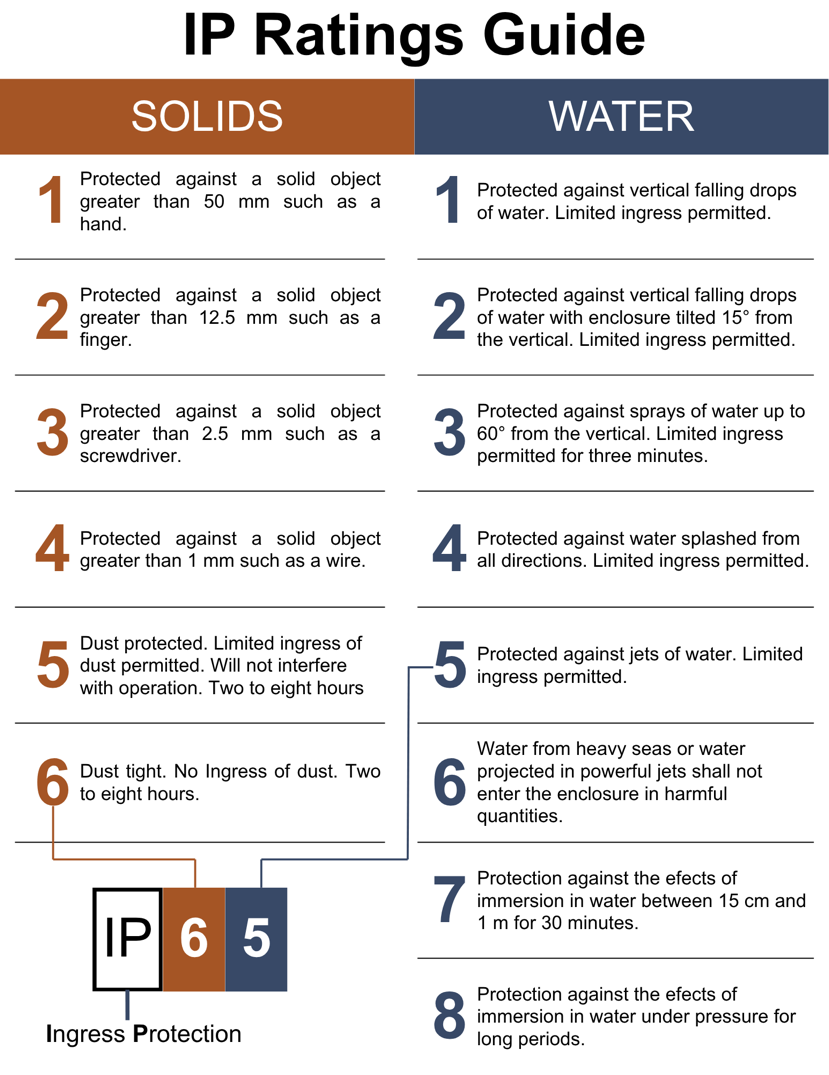
IP stands for Ingress Protection, an international standard (IEC 60529) used to measure how well electronic devices resist dust and water intrusion.

Every IP rating consists of two numbers:

The first number measures protection against solid objects likedust.

The second number measures protection against liquids like rain or water spray.


For example:

IP55

  • 5 = Dust-protected. Small amounts of dust may enter, but not enough to affect normal operation.
  • 5 = Protected against water jets from any direction, including rain and hose spray.

An IP rating is an excellent way to compare how well products are sealed against environmental hazards—but it's only one part of evaluating an outdoor TV.

Why IP55 Matters

Many homeowners assume they only need to protect their television from rain. In reality, outdoor electronics face a much broader range of environmental challenges.


Dust can clog ventilation pathways. Humidity can create condensation inside electronics. Wind can carry debris into exposed ports. Even insects can find their way into unsealed equipment.


An IP55-rated enclosure helps minimize these risks by protecting the television against everyday outdoor exposure while still allowing it to operate efficiently.


For most residential installations—including covered patios, pool areas, outdoor kitchens, pergolas, and backyard entertainment spaces—IP55 provides the level of protection needed for year-round performance.

How SunBrite TVs Protect Against the Elements

Every SunBrite TV model carries an IP55 rating. That means every television in our catalog is engineered to withstand:

  • Rain
  • Snow
  • Humidity
  • Dust
  • Insects
  • Year-round outdoor installation

In addition to the IP55 enclosure, SunBrite TVs feature weatherproof cable compartments and are UL-rated for outdoor use, helping protect internal electronics from the environmental conditions that quickly damage standard indoor televisions.

IP Ratings Aren't the Whole Story

One of the biggest misconceptions is that a higher IP rating automatically means a better outdoor TV. It doesn't.


The IP rating only measures resistance to dust and water. It does not tell you how well a television performs in direct sunlight, extreme temperatures, or bright outdoor conditions. That's where SunBrite’s different product lines come into play.

Understanding the Different SunBrite TV Models

Although every current SunBrite TV shares the same IP55 weather protection, each series is designed for a different outdoor environment.

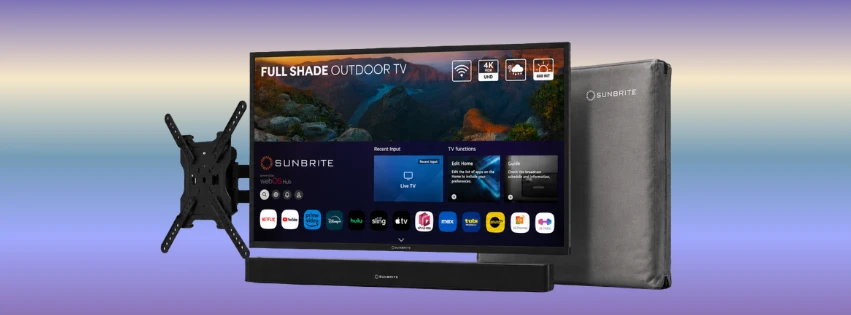
Veranda Series

Best for: Covered patios, screened porches, gazebos, and full-shade installations. 


The Veranda series is ideal when your television won't receive direct sunlight. It delivers outdoor durability without paying for brightness you'll never need. 


These models combine IP55 weather protection with outdoor-rated construction, making them a significant upgrade over using an indoor TV outside. 

Solis Series

Best for: Open patios and areas with direct sunlight. Sunlight is one of the biggest challenges for outdoor televisions.


The Solis series addresses this with:

  • Sustained 1,500-nit brightness
  • Anti-glare screen technology
  • Solar tolerance features
  • Commercial-grade display components

The result is a screen that's much easier to see during the day while maintaining the same IP55 weather resistance as the rest of the SunBrite lineup.

Pro 2 Series

Best for: Commercial spaces, pool areas, restaurants, sports bars, and high-traffic environments. The Pro 2 is SunBrite TV's most rugged television.


In addition to IP55 protection, it includes:

  • Protective tempered-glass screen shield
  • Commercial-grade construction
  • Advanced control options (including RS-232 and HDBaseT)
  • High brightness for outdoor viewing

If your TV will be installed in an environment where accidental impacts or heavy public use are possible, the Pro 2 offers another layer of durability beyond weather protection alone.

How IP Ratings Should Affect Your Buying Decision

An IP rating should absolutely be part of your research—but it shouldn't be the only deciding factor. Instead, think of it as your baseline for weather protection. Once you know a television offers sufficient environmental protection, focus on factors that will have an even greater impact on your everyday viewing experience.


Ask yourself:

  • Will the TV be installed in full shade or direct sun?
  • How bright is the screen?
  • Does it include anti-glare technology?
  • Is it built for year-round outdoor temperatures?
  • Does it have weatherproof cable connections?
  • Is it specifically engineered for outdoor use?

These factors often make a much bigger difference than moving from one IP rating to another. When you balance IP protection with brightness, installation location, durability, and viewing conditions, you'll end up with an outdoor TV that performs beautifully for years to come.

Understanding IP Ratings for Outdoor TVs

Understanding IP Ratings for Outdoor TVs

Aug 18th 2026

Shopping for an outdoor TV is very different from shopping for a television for your living room. While screen size, resolution, and smart features still matter, one specification becomes especially important once a TV is exposed to the elements: its IP rating.

If you've been researching outdoor televisions, you've probably seen ratings like IP55 or IP56. But what do those numbers actually mean? More importantly, how should they influence your buying decision?